BroadCaad Shipper logo
Operations intelligence6 min readApril 3, 2026

Why shipment visibility breaks when delivery volume starts growing

This article explains why growing shipper teams lose visibility and how a unified AI-enabled command layer helps restore operational control.

Tosin Akinwale · Logistics Strategy Lead
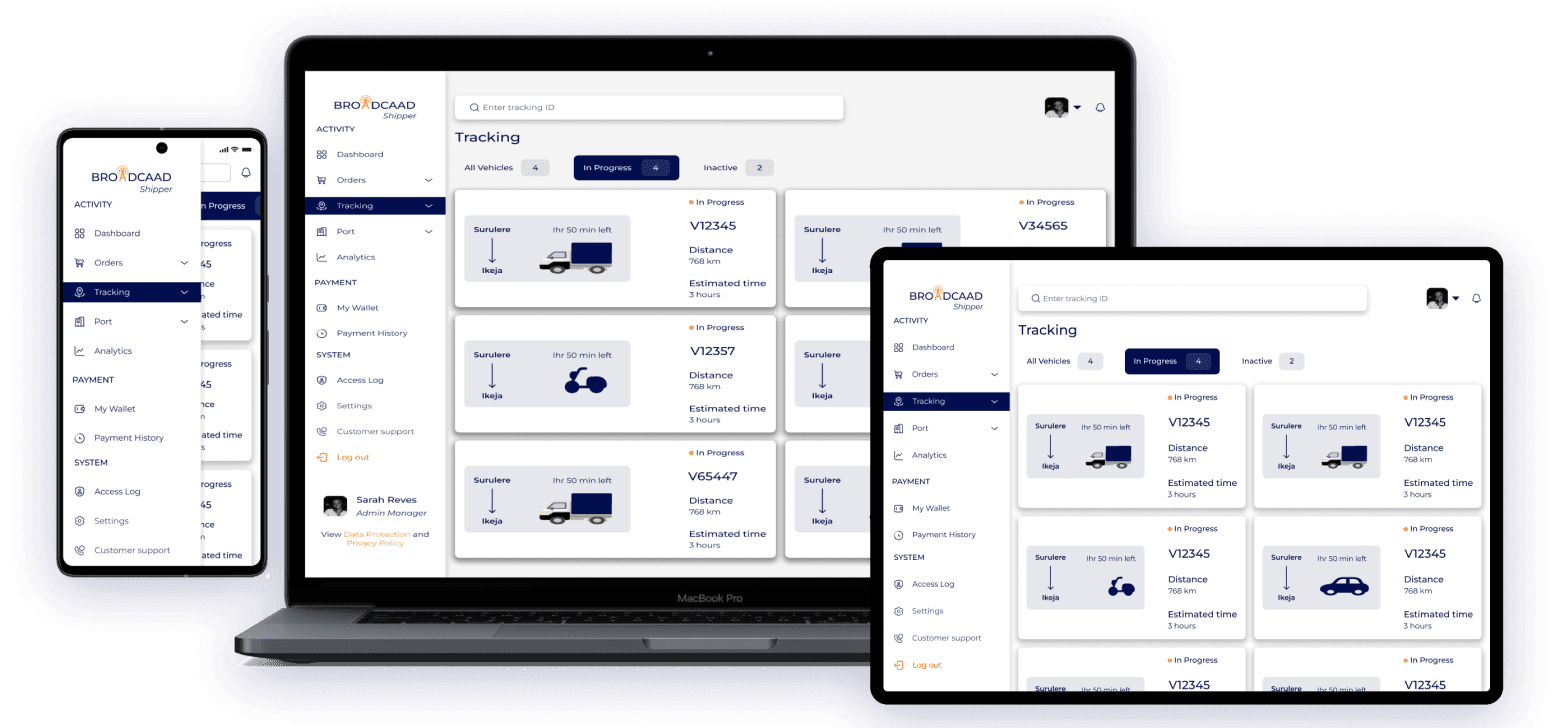
BroadCaad Shipper tracking dashboard across desktop and mobile

Scaling delivery volume exposes the weak points in status reporting, exception handling, and cross-team communication. The problem is rarely effort. It is operating structure.

Growth magnifies weak visibility systems

A smaller shipping operation can survive on fragmented updates for a while. As volume increases, those same habits become the reason delays, customer complaints, and team confusion multiply. Every missing status update creates more manual follow-up work somewhere else.

The issue is not just tracking data. It is the absence of one operating layer where dispatch, support, and management can understand the same shipment state at the same time.

Operators need signal, not noise

More shipment rows do not create better visibility. Teams need prioritized signal: what is late, what is inactive, what is blocked, and what is likely to become a customer issue soon.

That is where AI-enabled operations tooling becomes practical. The value is not flashy prediction. The value is shorter time to awareness and faster escalation across the team.

What modern shipper platforms should change

A modern platform should combine order orchestration, live movement tracking, performance review, and support context in one place. BroadCaad Shipper is built around that operating model so teams do not lose clarity as delivery volume grows.
More reading

Continue with related shipper insights.

Logistics operator monitoring dispatch decisions
Dispatch playbooks5 min read

What dispatch teams should actually watch every day

Daily logistics reviews should center on movement risk, inactive assets, late milestones, and service-impacting exceptions rather than generic reporting totals.

Read article
Port and cargo operations illustration
Port operations7 min read

Port visibility is now part of the customer experience

Customers feel port delays long before final-mile delivery begins. If shipper teams cannot explain where cargo is stalled, support pressure rises and trust drops quickly.

Read article
Wallet and payment operations illustration
Finance operations5 min read

Why payment history and wallet views belong inside the ops layer

Shipping teams resolve real-world issues faster when movement and money are visible together. Separating them creates avoidable delays in support and reconciliation.

Read article